
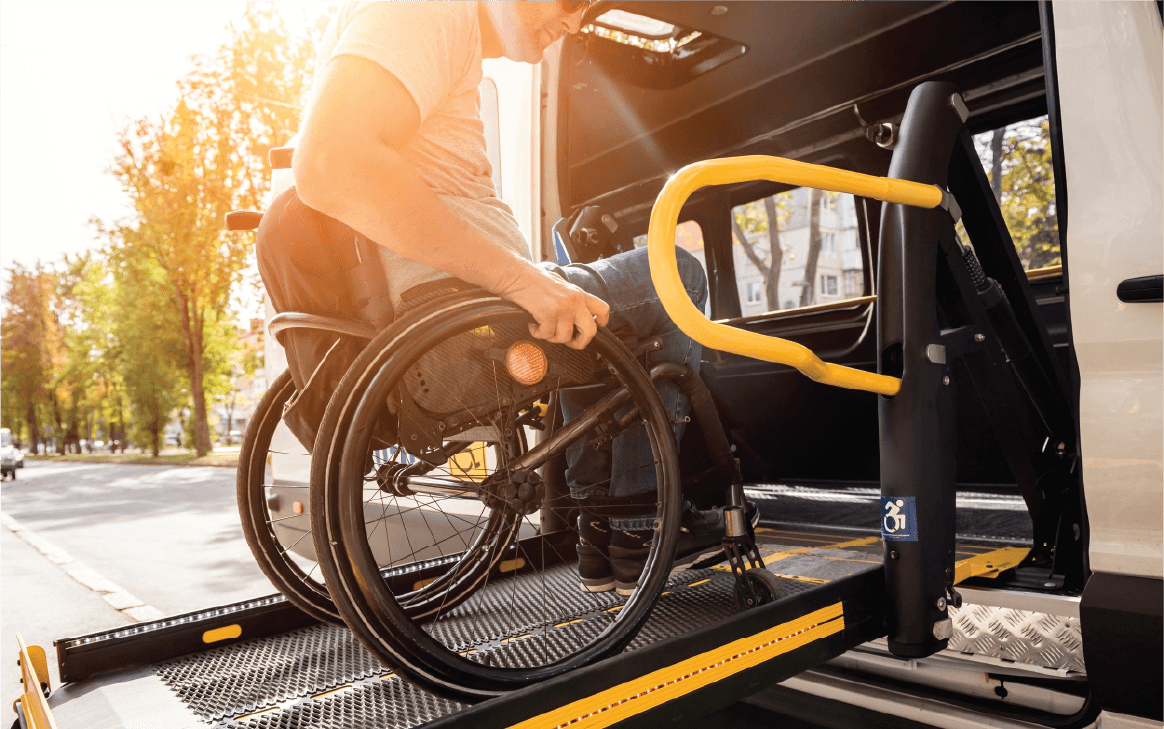
Returning to driving after an injury, illness, or disability is not just about mobility, it’s about independence, confidence, and quality of life. For many people, driving is closely tied to freedom, work, family responsibilities, and social connection.
Adaptive driving rehabilitation makes it possible for individuals with physical, cognitive, or medical challenges to safely regain the ability to drive using specialized training, assessments, and adaptive vehicle technology.
This guide explains everything you need to know about the process, from evaluation to training, equipment, licensing, and returning to the road safely.
What Is Adaptive Driving Rehabilitation?
Adaptive driving rehabilitation is a specialized driver training and evaluation process designed to help individuals who cannot safely drive using standard methods due to:
- Physical disabilities (e.g., spinal cord injuries, amputations, arthritis)
- Neurological conditions (e.g., stroke, traumatic brain injury, Parkinson’s disease)
- Cognitive or developmental conditions (e.g., autism, ADHD, memory impairment)
- Vision or motor coordination challenges
Instead of removing driving access, rehabilitation focuses on modifying the vehicle, retraining driving skills, and ensuring safety through professional evaluation.
Who Needs Adaptive Driving Rehabilitation?
You may need adaptive driving rehabilitation if you:
- Have difficulty using pedals, steering, or mirrors
- Are recovering from stroke, brain injury, or surgery
- Have been medically advised to reassess driving ability
- Experience delayed reaction time or coordination issues
- Have lost driving ability due to disability or medical condition
- Are unsure whether it is safe to continue driving
The Adaptive Driving Rehabilitation Process (Step-by-Step)
Adaptive driving rehabilitation is not a single test, it is a structured multi-stage process designed to ensure safety and independence.
1. Initial Driving Evaluation (Clinical + Functional Assessment)
This stage includes:
- Medical and physical ability review
- Cognitive and reaction testing
- Vision and spatial awareness screening
- Driving history assessment
A Certified Driver Rehabilitation Specialist evaluates your ability to safely control a vehicle.
2. On-Road Driving Assessment
If you qualify, you move to a controlled driving evaluation, which includes:
- Driving in a dual-control adaptive vehicle
- Testing reaction time and decision-making
- Assessing lane control, braking, and awareness
- Identifying required adaptive equipment
This step determines whether driving is safe and what modifications are needed.
3. Adaptive Equipment Recommendation
Based on evaluation results, specialists may recommend equipment such as:
- Hand controls for acceleration and braking
- Left-foot accelerators
- Steering aids (spinner knobs)
- Pedal extensions
- Wheelchair-accessible vehicle modifications
These tools are customized based on the driver’s abilities.
4. Driver Rehabilitation Training
This stage includes both classroom and behind-the-wheel training:
- Minimum structured instruction hours (varies by case)
- Learning adaptive equipment use
- Defensive driving strategies
- Safety and hazard awareness training
- Confidence-building exercises
5. Licensing & Return-to-Driving Process
After successful training:
- Driving skills are reassessed
- Documentation is provided for licensing authorities
- DMV or state licensing requirements are completed
- Final clearance for independent driving is issued
Adaptive Driving Equipment Explained
Adaptive vehicles are designed to replace or assist standard vehicle controls.
| Equipment | Purpose | Who It Helps |
| Hand Controls | Control gas and brake using hands | Lower-limb disability |
| Left-Foot Accelerator | Allows acceleration with left foot | Right leg impairment or limited use of right leg |
| Spinner Knob | Easier steering control | Limited hand strength or mobility |
| Pedal Extensions | Brings pedals closer to driver | Short stature or mobility issues |
| Wheelchair Lifts/Mods | Vehicle access solution | Wheelchair users |
Conditions That Commonly Require Driver Rehabilitation
Adaptive driving rehabilitation is commonly recommended for:
- Stroke survivors
- Traumatic brain injury (TBI) patients
- Parkinson’s disease patients
- Spinal cord injury survivors
- Arthritis or mobility-limiting conditions
- Cognitive or neurological impairments
- Post-surgery recovery cases
Each condition affects driving differently, so rehabilitation is always individualized.
How Long Does Adaptive Driving Rehabilitation Take?
The timeline depends on the individual, but generally:
- Evaluation: 1–2 sessions
- Training: 2–10+ sessions depending on complexity
- Licensing process: varies by state requirements
Some individuals regain driving ability in weeks, while others require longer structured rehabilitation.
Cost of Adaptive Driving Rehabilitation
Costs vary based on:
- Type of evaluation required
- Training hours
- Equipment modifications
- Location and provider
Some services may be covered by:
- Insurance (partial in some cases)
- Vocational rehabilitation programs
- Veterans support programs
- Private funding
Benefits of Adaptive Driving Rehabilitation
- Restores independence and mobility
- Improves confidence and mental well-being
- Reduces reliance on caregivers
- Enhances safety through professional assessment
- Supports return to work and daily activities
Key Components of Adaptive Driving Rehabilitation
| Entity | Description | Relevance |
| Adaptive Driving Rehabilitation | Structured program for safe driving recovery | Core topic |
| Driver Evaluation | Medical + functional driving assessment | Entry point |
| Adaptive Equipment | Vehicle modifications for safe driving | Enablement tool |
| Driver Rehabilitation Specialist | Certified professional guiding process | Authority figure |
| On-road Assessment | Real-world driving test in adaptive vehicle | Safety validation |
| Licensing Authority (DMV) | Government licensing body | Final approval stage |
| Stroke / TBI / Disability | Common conditions requiring rehab | Target audience |
| Kinetic Group | Driver rehabilitation provider | Service provider |
Frequently Asked Questions (FAQ)
What is adaptive driving rehabilitation?
Adaptive driving rehabilitation is a structured program that helps individuals with injuries or disabilities regain safe driving ability through evaluation, training, and vehicle modification.
Can you drive again after a stroke or brain injury?
Yes, but only after a professional driving evaluation determines safety and appropriate adaptive equipment or training.
What happens during a driving evaluation?
A specialist assesses your vision, cognition, physical ability, and performs an on-road driving test using adaptive vehicles if needed.
Do I need special equipment to drive again?
Not always. Equipment is only recommended if standard vehicle controls are not safe or accessible for your condition.
How long does driver rehabilitation take?
It varies from a few weeks to several months depending on the severity of the condition and training needs.
Is adaptive driving rehabilitation covered by insurance?
Some insurance plans, vocational programs, and disability services may cover part of the cost, but coverage varies.
What is the difference between a driving test and rehabilitation?
A driving test only checks basic competency, while rehabilitation evaluates medical safety, adapts equipment, and retrains driving skills.
Regaining Independence Through Safe Driving
Adaptive driving rehabilitation is not about limiting freedom, it is about restoring independence safely and responsibly. With proper evaluation, training, and adaptive technology, many individuals can return to driving with confidence.
The key is not rushing the process, but ensuring every step is guided by certified professionals who understand both safety and mobility needs.
Recommended Provider: Kinetic Group
If you or a loved one is considering adaptive driving rehabilitation, working with a specialized provider is essential.
Kinetic Group is a trusted driver rehabilitation organization that provides:
- Comprehensive adaptive driving evaluations
- Behind-the-wheel training in adaptive vehicles
- Personalized rehabilitation programs
- Support for licensing and return-to-driving
- Adaptive equipment guidance (hand controls, steering aids, and more)
Their programs are designed to help individuals regain driving independence safely and confidently after injury, disability, or medical conditions.
Learn more or schedule an evaluation with Kinetic Group to begin your journey back to safe driving independence.